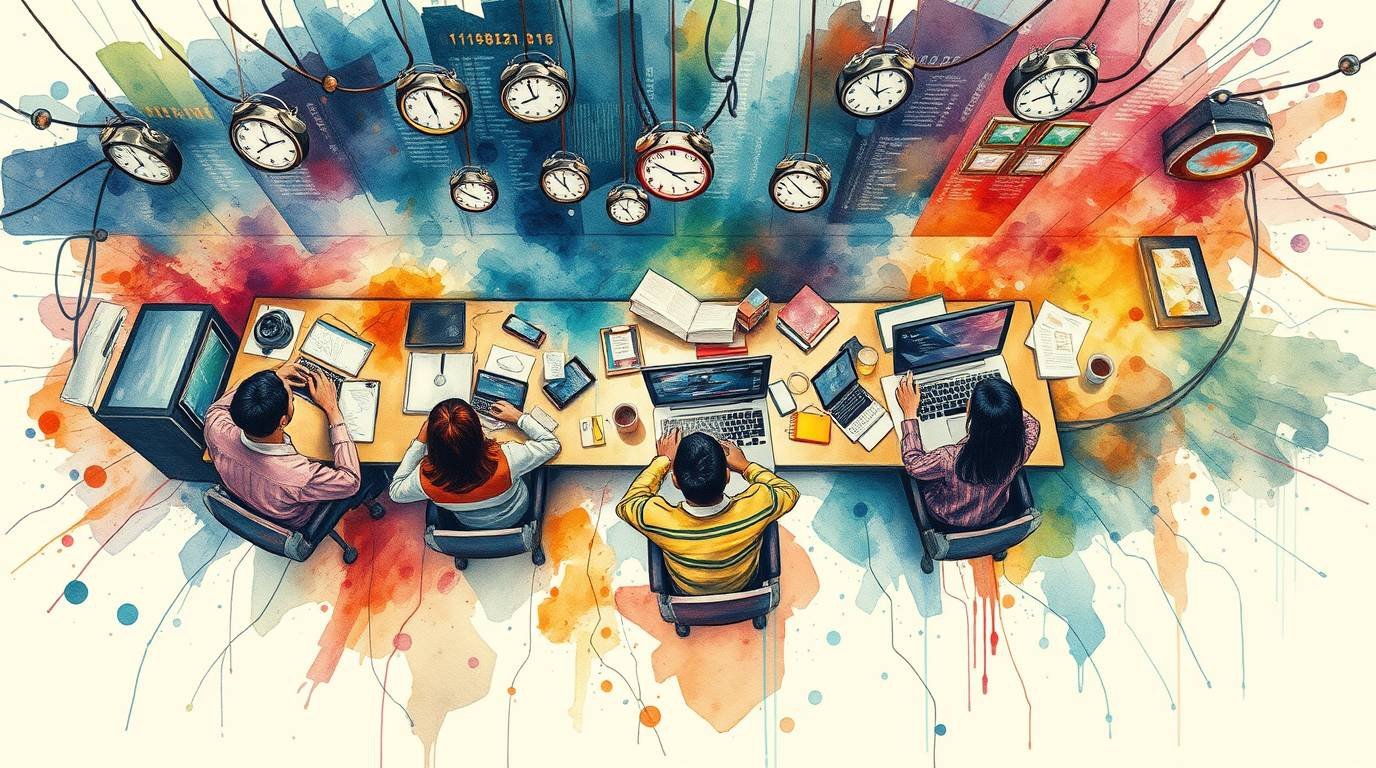
The software engineering sector was expected to demonstrate AI’s clearest successes, and leading companies such as OpenAI, Anthropic, Microsoft, and Google all offer AI-powered programming tools. Most technology professionals surveyed by Google’s DORA group have integrated AI at work, with the majority saying it makes them more efficient. AI frequently automates repetitive programming jobs and even helps newcomers build prototypes by following simple instructions, but developers still need to check and adjust AI-generated solutions to meet standards: and that is requiring both more hours and a faster pace.
While AI increases how much code individual programmers can deliver, DORA also reported higher rates of unstable software releases, which require more fixes and rollbacks. As AI adoption expands, businesses expect developers to do more in less time, yet this can increase burnout, since engineers often find themselves working faster and extending their hours, sometimes beyond workdays. Various studies suggest this technology especially pushes less experienced programmers to rely on AI for tasks that might lessen their learning and independence.
AI’s tendency to generate incomplete code has impacted code quality and forced coworkers to take on extra corrections. Academic research further indicates that reliance on these tools might decrease both collaboration and the opportunities for junior employees to learn and network. As AI changes expectations around productivity, it is vital for workplaces to maintain environments that protect against exhaustion and support improvement, since introducing AI can amplify both positive and negative aspects of the job.
The ainewsarticles.com article you just read is a brief synopsis; the original article can be found here: Read the Full Article…