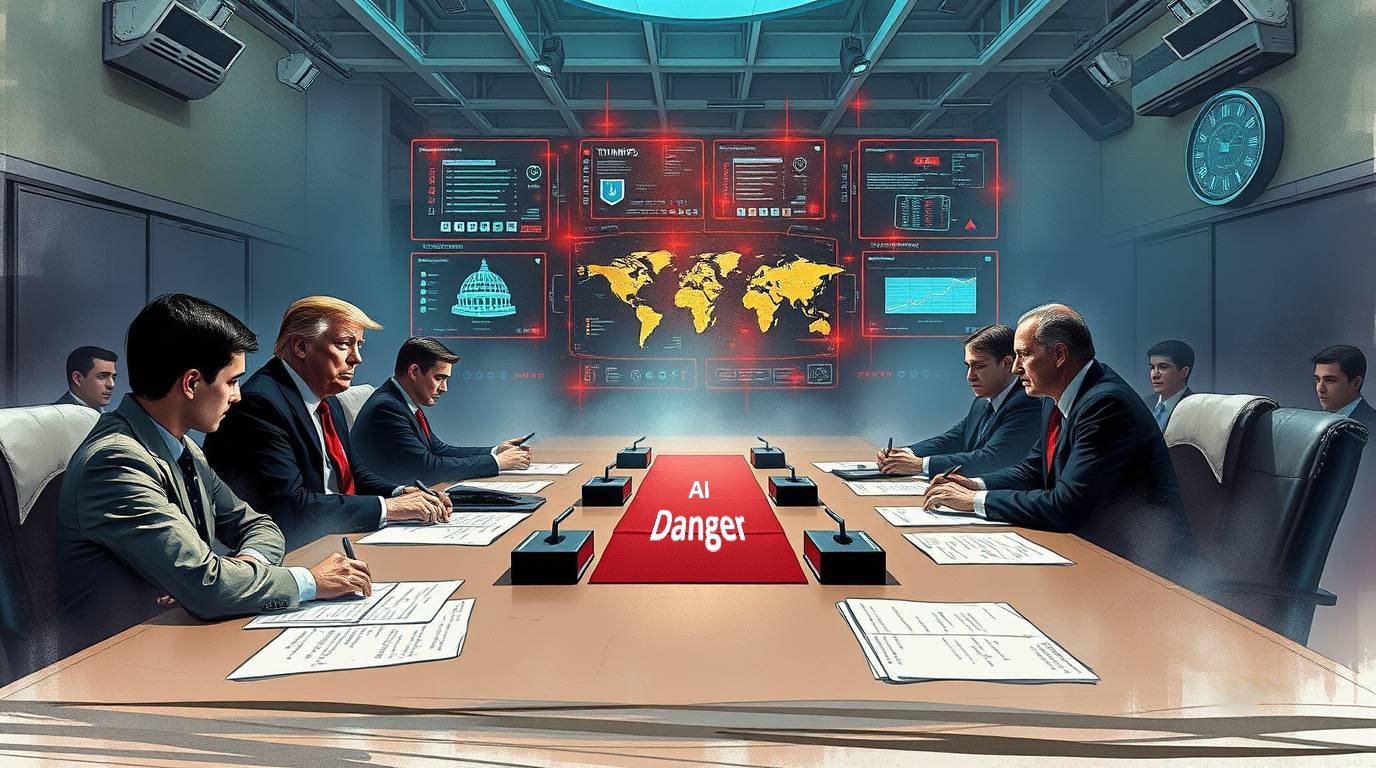
Anthropic represents both a risky liability and a necessity regarding artificial intelligence progress, according to current administration perspectives. This tension currently defines federal policy as officials acknowledge that the company’s capabilities remain too advanced to ignore, despite previous legal conflicts and public animosity with the Pentagon.
The Trump administration’s initial preference for minimal oversight is shifting as the potency of modern systems forces Washington to regulate deployment and access. Although officials once considered excluding the firm from government infrastructure entirely, agencies have resumed testing the company’s latest technology to maintain a competitive advantage in the global intelligence landscape.
Ongoing negotiations seek to reconcile these disagreements through potential executive actions, though the path remains complex given continued resistance from defense leadership. While some entities advocate for collaborative cybersecurity efforts, skepticism persists among certain officials regarding the firm’s autonomy and leadership decisions within classified operational environments.
Stakeholders in the technology and cybersecurity sectors continue to participate in discussions to resolve these structural disputes. Whether new mandates will successfully harmonize these conflicting interests remains uncertain, particularly as additional partnerships with competing firms are formalized to support national security objectives.
The ainewsarticles.com article you just read is a brief synopsis; the original article can be found here: Read the Full Article…