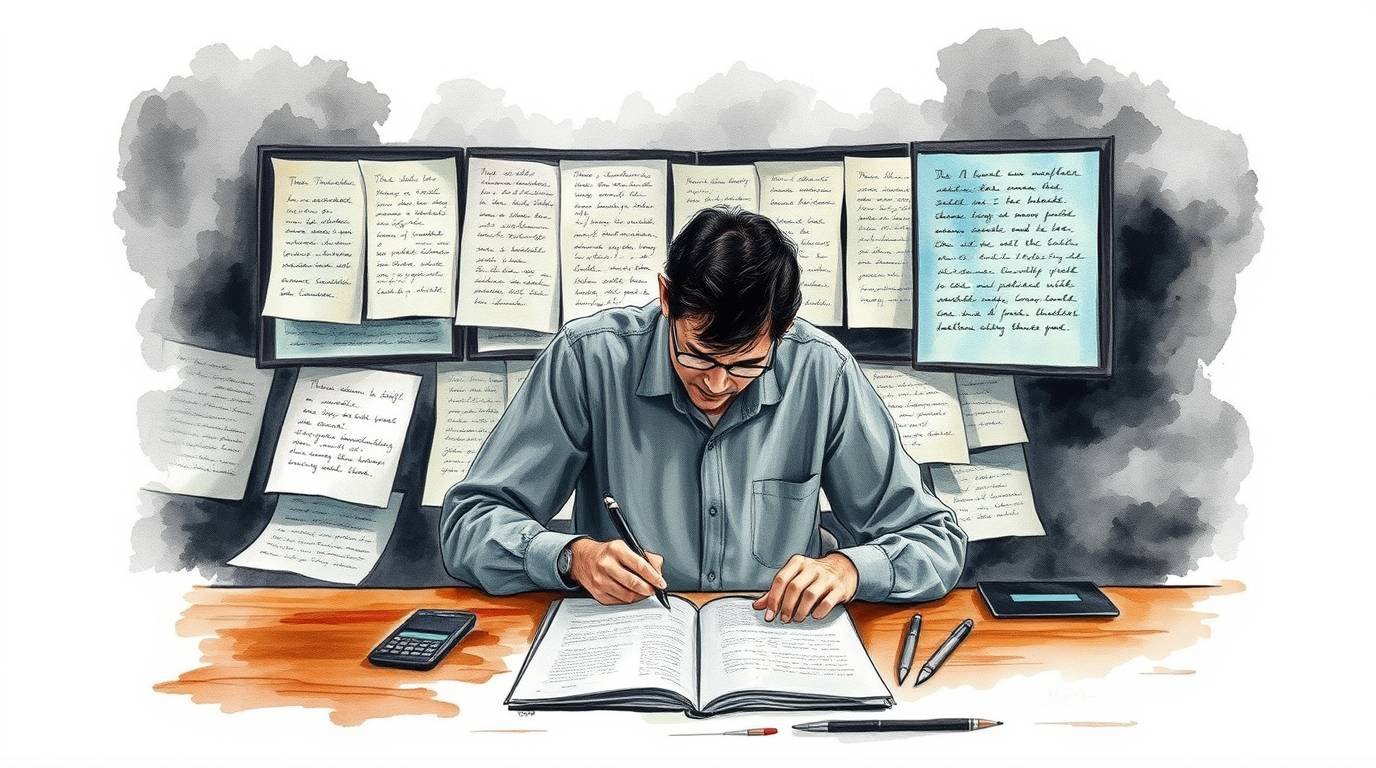
AI models are actively homogenizing human communication by diminishing linguistic spontaneity. Investigations indicate that reliance on such technology fosters a standardized approach to language, which curtails the natural diversity of vocabulary and phrasing.
Studies conducted by the University of Southern California and the Max Planck Institute reveal a marked decline in stylistic variance within various media sectors since the introduction of ChatGPT. Prolific terms favored by these large language models are increasingly infiltrating daily speech, as individuals consciously or unconsciously mirror this polished yet synthetic output to maintain perceived influence.
Experts like Emily Bender and Alex Mahadevan observe that this reliance risks replacing authentic character with bland corporate rhetoric, arguably draining the vitality from human discourse. The growing prevalence of these tools, noted by surveys of small businesses and individuals, necessitates a broader concern regarding the loss of unique, imperfect creative expression.
The deliberative process inherent in manual writing is crucial for individual cognitive development and societal growth. Sidestepping this intellectual effort results in an erosion of genuine perspective, leaving commentators to ponder the long-term impact on the nuanced art of human expression.
The ainewsarticles.com article you just read is a brief synopsis; the original article can be found here: Read the Full Article…