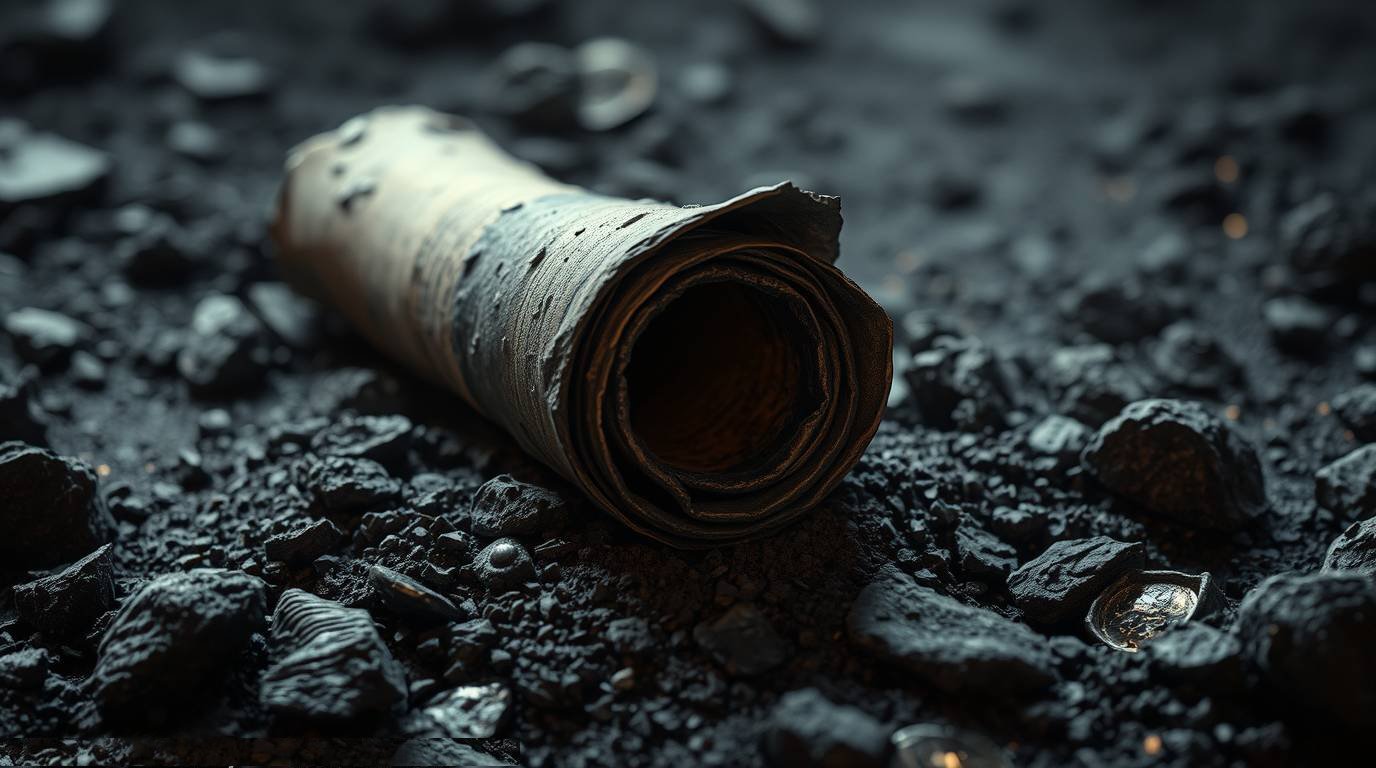
In A.D. 79, Mount Vesuvius erupted, devastating nearby Roman settlements. While some escaped, many perished under falling debris or intense pyroclastic flows. At Oplontis, refugees sheltering in a warehouse were buried beneath thick volcanic material for two millennia, leaving their stories frozen in time.
Contemporary scholars now employ artificial intelligence and sophisticated scanning technology to investigate these historical sites. Virtual unwrapping allows researchers to examine carbonized papyrus scrolls from Herculaneum that were previously inaccessible. Breakthroughs in digital imaging, supported by public challenges, have successfully revealed ancient Greek texts discussing ethics and theology. These discoveries offer profound insights into Roman daily life, social structures, and intellectual pursuits, effectively bridging the chasm between the past and the modern world.
The ainewsarticles.com article you just read is a brief synopsis; the original article can be found here: Read the Full Article…