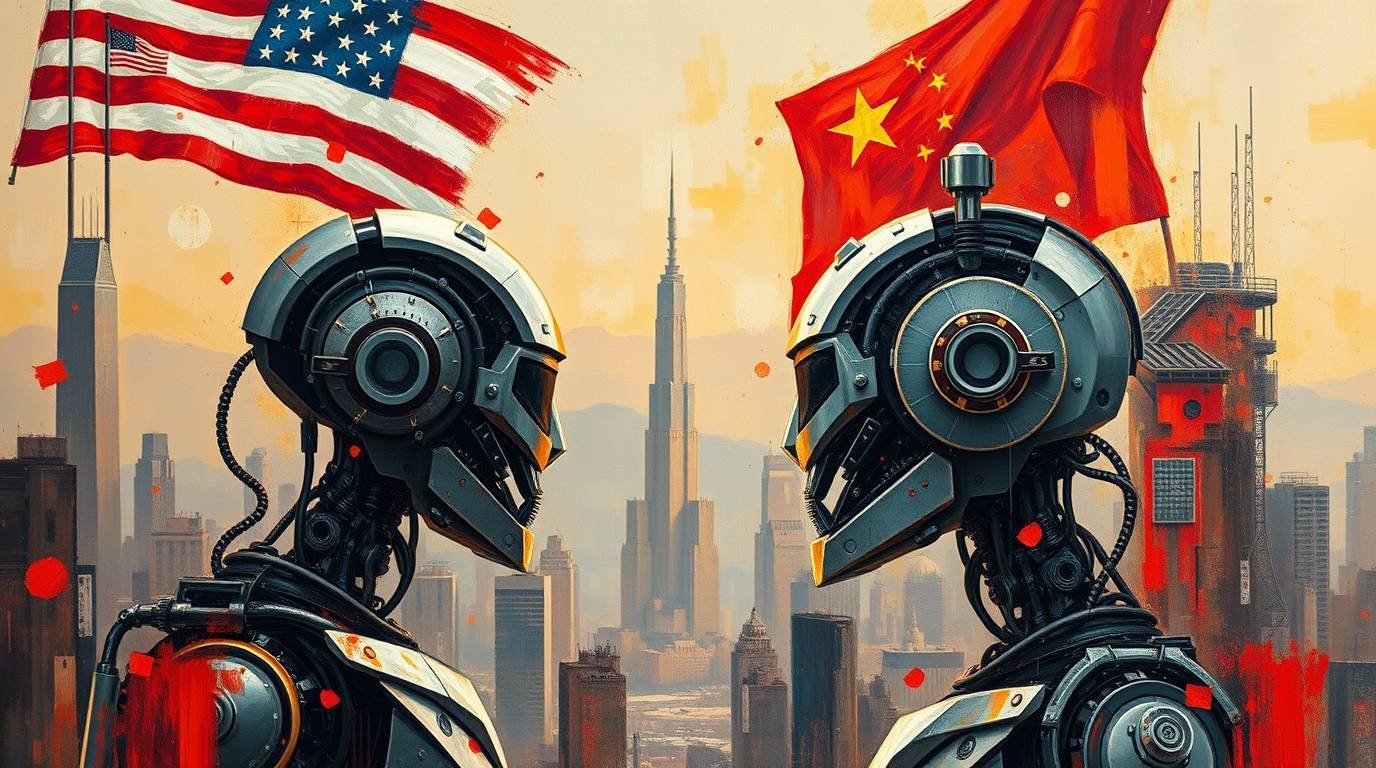
Silicon Valley faces significant disruption following the release of Moonshot AI’s Kimi K3, a potent Chinese model that challenges the supremacy of proprietary American technology. This development has intensified geopolitical tensions, as the strategic distribution of ‘open-weight” models threatens the dominance of closed systems by offering developers greater autonomy and lower costs. Although these systems are not truly open source, they provide enough flexibility for widespread corporate adoption. Industry analysts observe that by releasing model weights, firms can foster extensive ecosystems and establish de facto standards, even while profiting from infrastructure and support services.
This trend forces a confrontation for major American entities, as developers increasingly migrate toward affordable, versatile international alternatives. In response, a coalition of prominent corporations has urged policymakers to avoid restrictive legislation, warning that such measures could stifle innovation and concentrate power. Ultimately, American companies must determine how many capabilities to share to maintain domestic influence against the rising tide of Chinese competition.
The ainewsarticles.com article you just read is a brief synopsis; the original article can be found here: Read the Full Article…