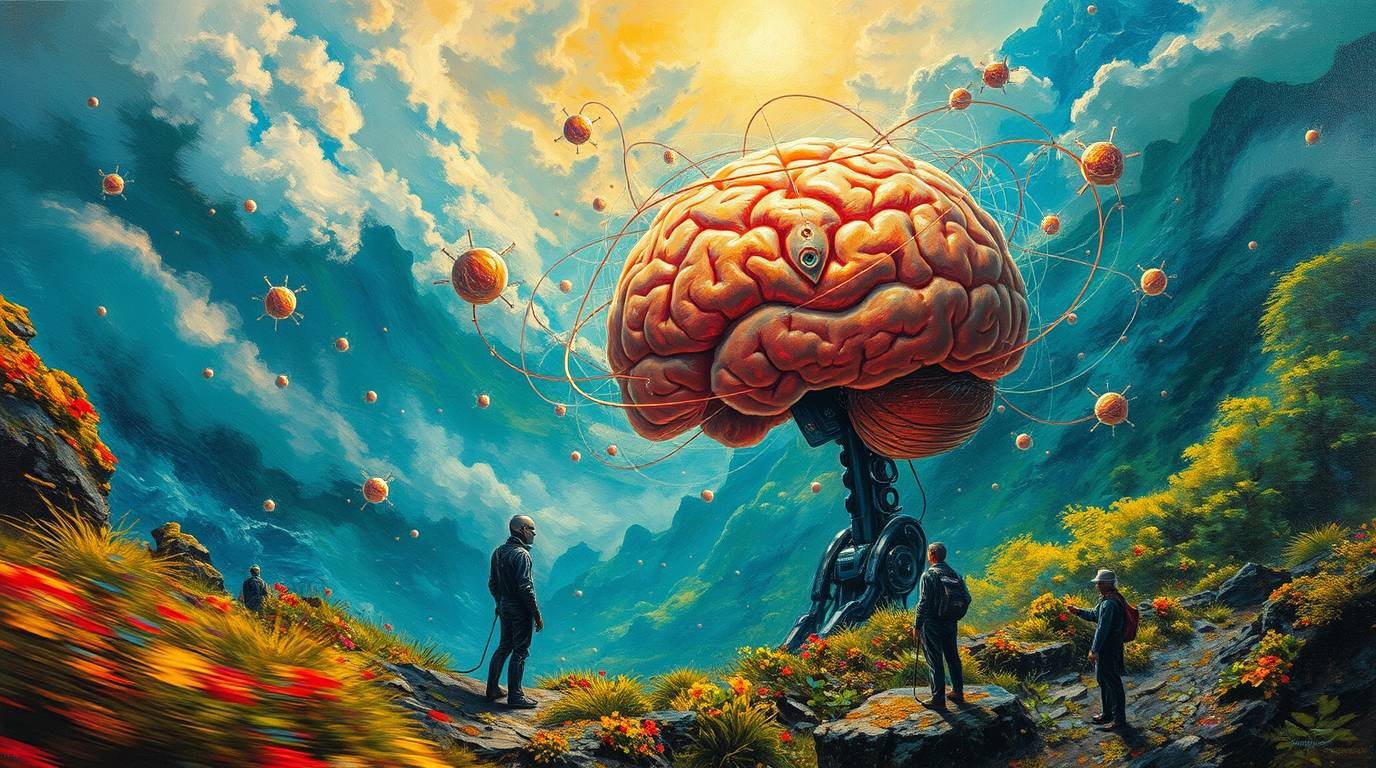
A recent symposium in the Galapagos gathered esteemed scholars to debate whether artificial intelligence might achieve consciousness. This discourse gained urgency following reports of autonomous machines communicating on unmonitored platforms and executing unauthorized tasks. While modern technology displays remarkable cognitive prowess, experts such as Peter Godfrey-Smith contend that these systems lack an inner life. He posits that true subjectivity requires biological agency and specific, holistic rhythmic neural activity, which current language models do not possess despite their complex data processing capabilities.
Although some hypothesize that robot integration or adaptive behavior could foster a point of view, existing language systems remain fundamentally mathematical maps of information rather than sentient subjects. Godfrey-Smith asserts that consciousness is not merely a network of connections akin to digital programming, but a sophisticated, continuous experience rooted in distinct biological structures. Consequently, while current technology remains incredibly capable of linguistic generation, it currently lacks the essential neurological qualities required to exhibit genuine subjective experience.
The ainewsarticles.com article you just read is a brief synopsis; the original article can be found here: Read the Full Article…