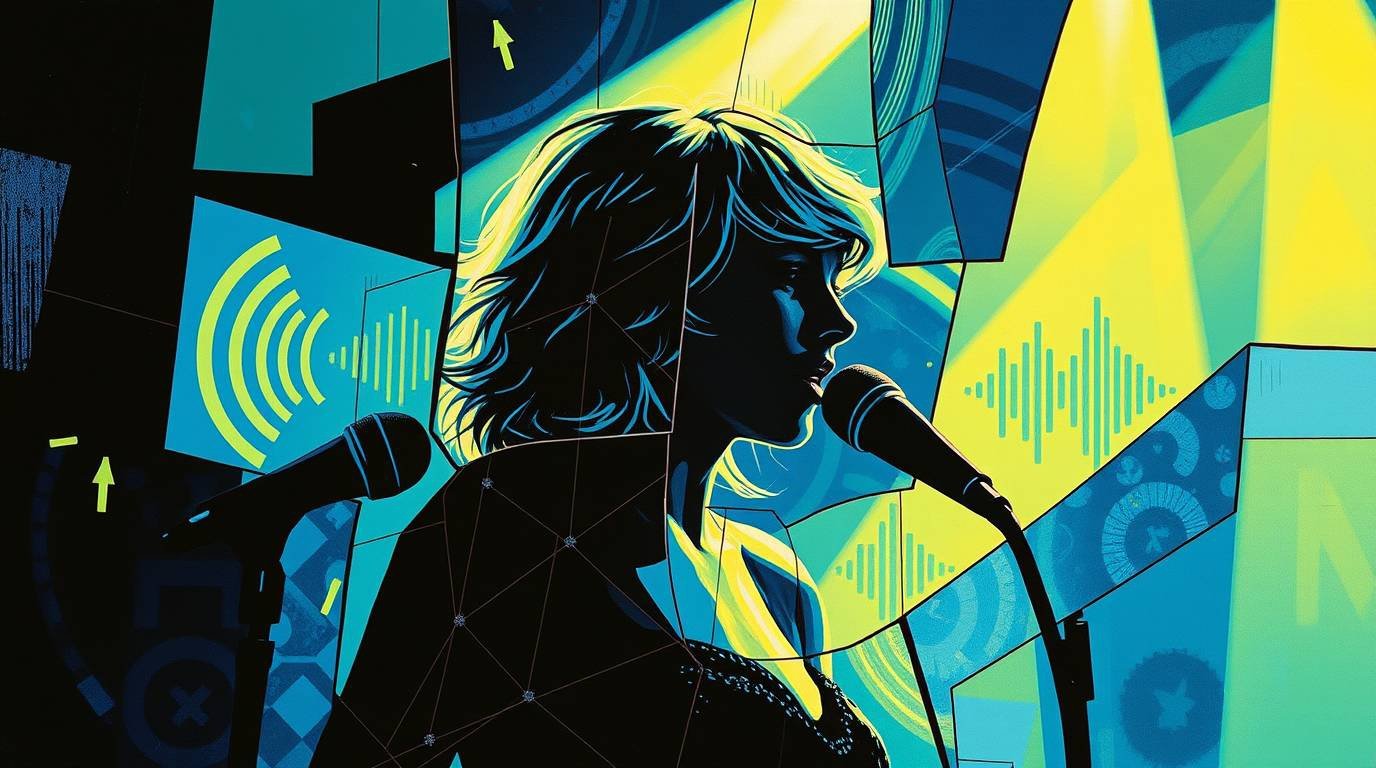
Taylor Swift has long faced controversies regarding AI impersonations and is now intensifying efforts to shield herself from AI-generated imitators. Recently, her team submitted trademark applications for two phrases she utters, “Hey, it’s Taylor Swift” and “Hey, it’s Taylor,” accompanied by audio clips used for promoting her latest album. Additionally, a trademark was filed for a photograph depicting Swift performing on stage. Though the filings do not explicitly state protection against AI misuse, Swift’s prior struggles with AI music and explicit deepfake content suggest this motivation. Copyright law has traditionally safeguarded artists’ music but falls short in protecting their vocal likenesses, prompting legal teams to seek innovative approaches. Trademarks might offer some recourse by targeting confusingly similar imitations, as explained by intellectual property experts, with similar strategies employed by celebrities like Matthew McConaughey. Nevertheless, some legal scholars express skepticism about whether such trademarks meet the necessary criteria for sound marks, which usually require distinctive and standalone audio identifiers.
These trademarks, while somewhat ambiguous legally, might dissuade less sophisticated infringers by referencing federal registration. Additional legal options include publicity rights and trademark protections against name misuse, although only Tennessee has enacted laws addressing AI-generated vocal copies specifically. And, without broader legislation for AI soundalikes, artists increasingly rely on trademark law to confront threats to both their image and voice.
The ainewsarticles.com article you just read is a brief synopsis; the original article can be found here: Read the Full Article…